Methodology Deep-Dive

Understand the Mechanics of Mastery steps, tools, and habits for thriving in unstable, high-pressure engineering arenas.

A close-up of a thick, weathered engineering field notebook lying open on a matte black desk, its pages filled with dense calculations, tidy free-body diagrams, and carefully annotated system models in dark blue ink. A finely machined titanium mechanical pencil rests across the spine, alongside a compact stainless steel ruler and a small, rugged digital timer displaying elapsed practice intervals. Warm, focused desk lighting from an adjustable lamp pools over the notebook, leaving the background in gentle shadow. Captured from a low, oblique angle with shallow depth of field, the attention stays on the marks of iteration and refinement. The mood is intense and disciplined, evoking mastery forged through consistent, deliberate practice, rendered in detailed photographic realism.
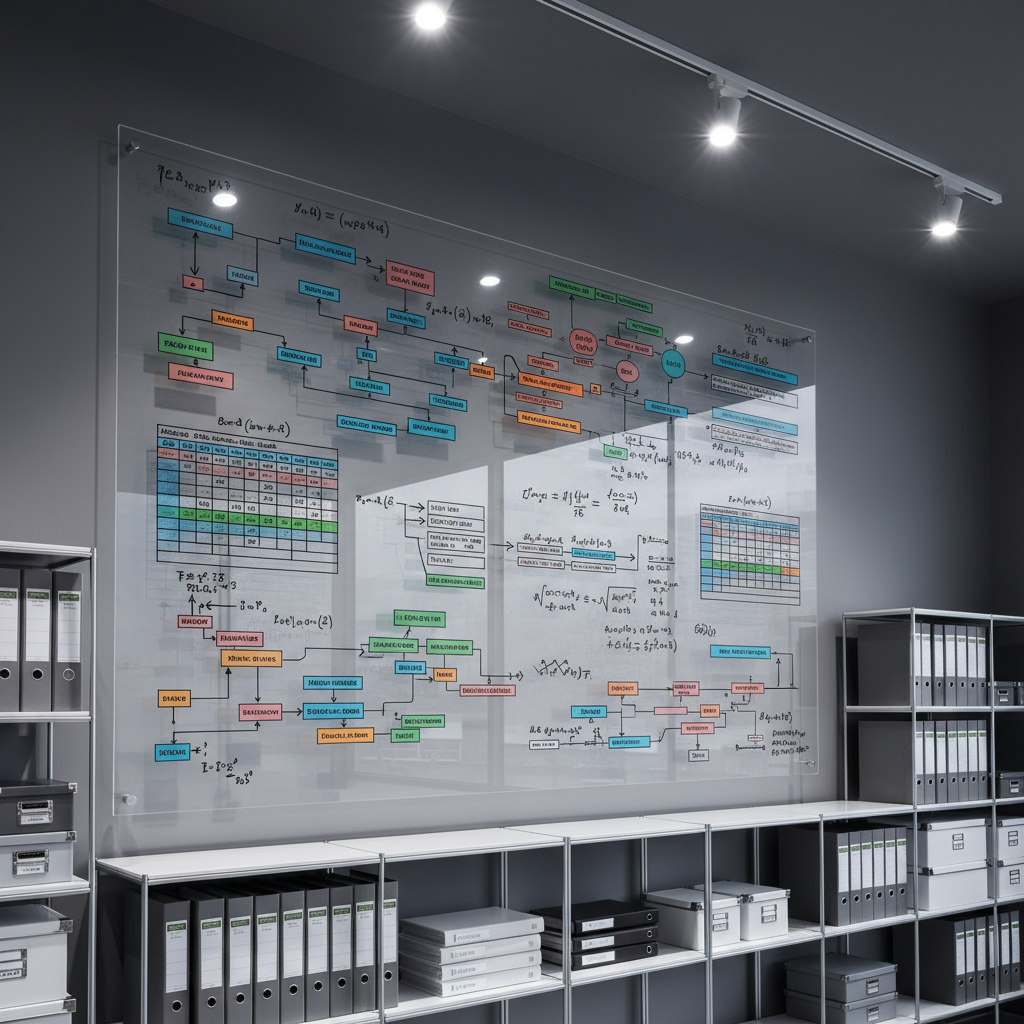
A large, transparent acrylic wall board filled with a layered engineering learning roadmap, featuring interconnected flowcharts, color-coded timelines, and neatly written formulas, all rendered with precise marker lines. Around it, matte charcoal walls and minimalist shelving hold neatly stacked binders and labeled storage boxes. Overhead, cool white track lighting casts even illumination, creating crisp reflections on the acrylic surface and soft shadows on the wall behind. Captured from a slightly angled perspective to emphasize depth, the composition follows the rule of thirds with the roadmap as the focal point. The atmosphere is analytical and strategic, conveying a proven methodology for building competency in demanding technical environments, in a modern, photographic style.

From Chaos to Competence

For thirty years I engineered solutions in volatile startups, conflict zones, and collapsing markets, refining a repeatable way to learn faster than circumstances could change. Mechanics of Mastery distills those scars into a practical system any serious learner can apply.

About

Principles, Phases, Real Work

Explore the core principles of fast feedback, constraint-driven design, and deliberate drills, then follow the phases from orientation to execution through examples in software, hardware, and systems engineering.
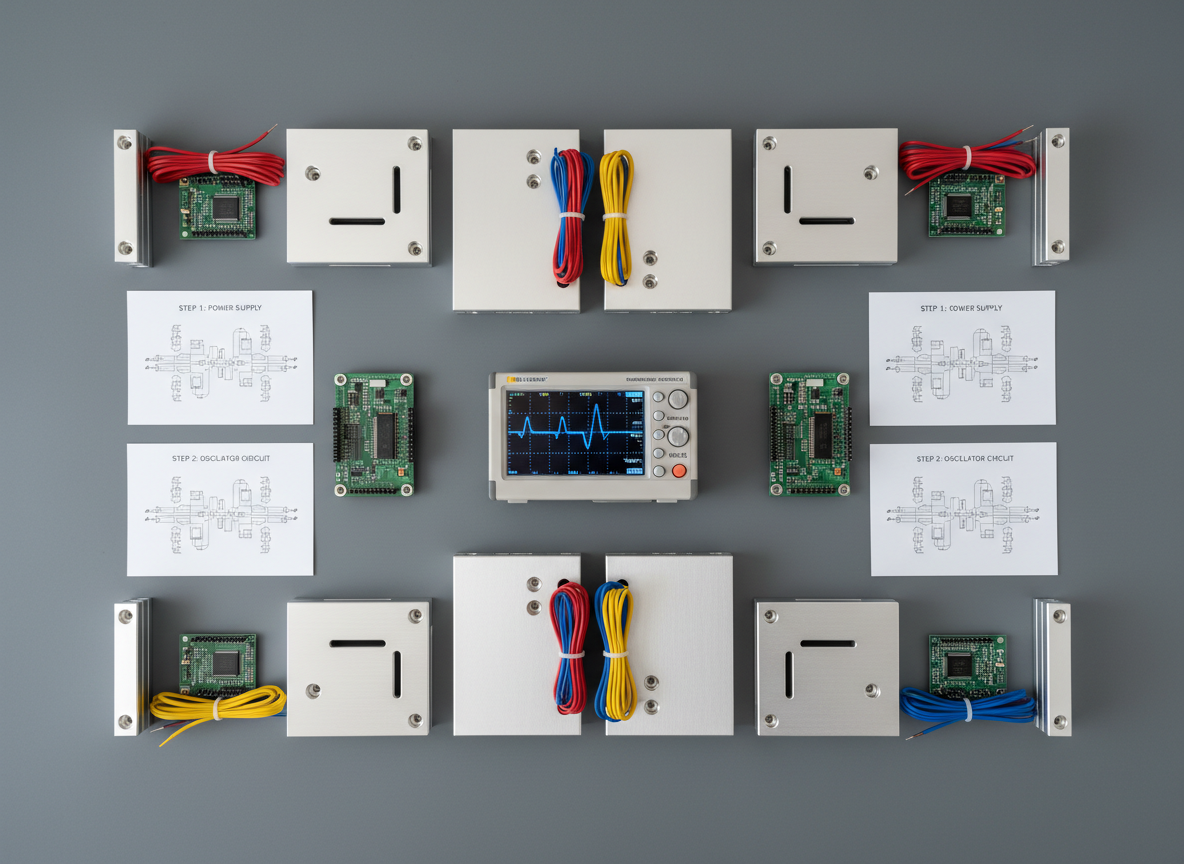
An overhead view of a modular engineering learning kit arranged on a smooth, slate-gray tabletop: precision-machined metal components, small circuit boards, neatly coiled wires, laser-etched instruction cards, and a compact digital oscilloscope with a clear waveform on its screen. Each item is placed in a deliberate grid-like pattern, suggesting structure and repeatability. Soft, diffused studio lighting eliminates harsh shadows, creating a clean, even look with gentle highlights on metallic surfaces. The composition is symmetrical and balanced, with sharp focus across the entire frame. The mood is methodical and professional, illustrating a systematic approach to mastering complex technical skills in competitive contexts, captured in high-resolution photographic realism.